Fuel remains one of the largest recurring costs in fleet operations. But heading into 2026, the fuel conversation is no longer just about the price at the pump. It’s increasingly about control, security, and visibility across the entire fleet.
Even if average fuel prices move up or down this year, fleets are still operating in a world of uncertainty: changing supply and demand dynamics, growing fraud sophistication, and higher expectations from drivers who already live in a tap to pay world. The fleets that stay competitive in 2026 will treat fueling as a managed system, and not a monthly bill. They will invest in technology that gives them fast insights, automated controls, and the ability to spot problems before they become expensive patterns.
This shift makes digital fuel cards a must have for fleets of all sizes. They are the foundation for real time control, better data, and fraud resistance, without slowing drivers down. Below are the fleet fuel trends I expect to shape 2026 planning, and what businesses of all sizes can do about them.
Trend 1: Fuel Prices Likely to Moderate in 2026, but Volatility Risk is Ever-Present
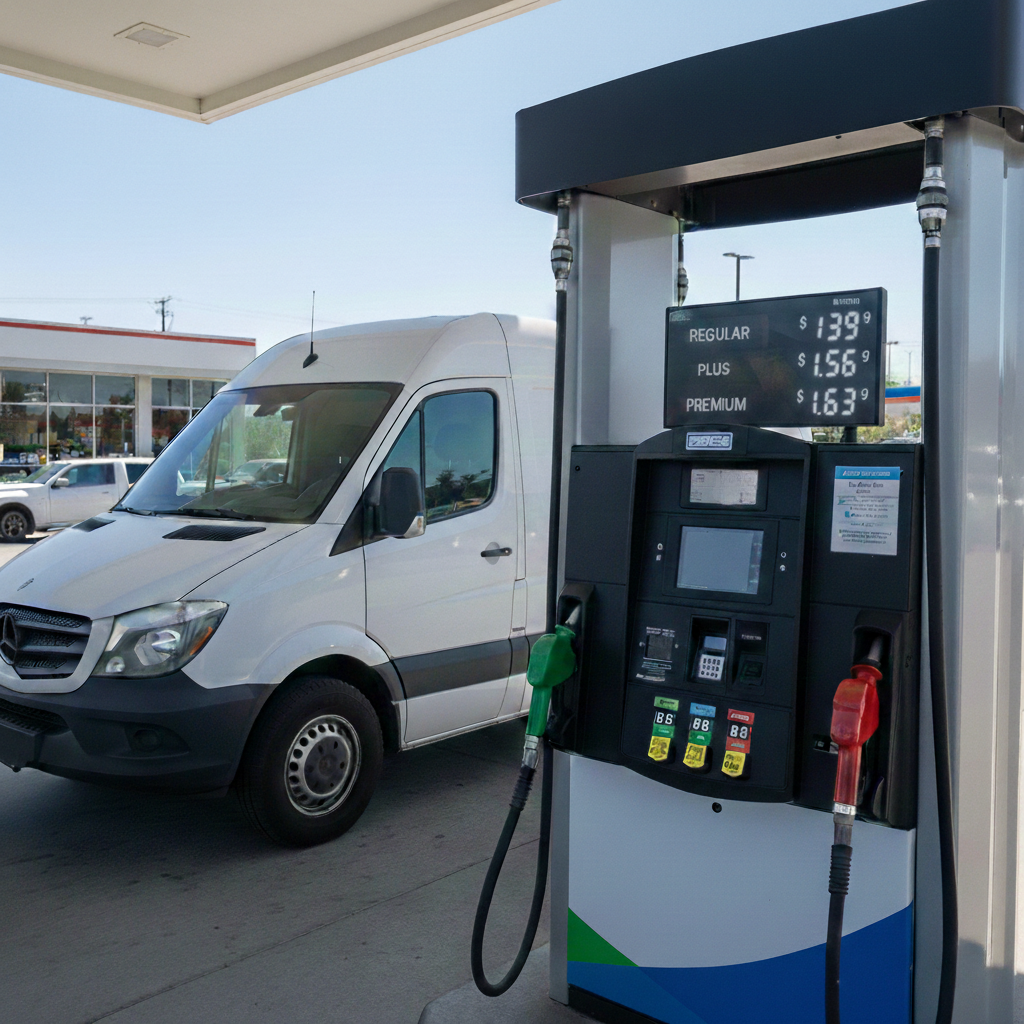
The biggest determinant of the price of fuel is the cost of its feedstock - crude oil, which in turn is most heavily influenced by international crude oil supply-demand dynamics, OPEC+ decisions, and geopolitical events. In addition to crude oil costs, refining costs, taxes, environmental regulation compliance costs, distribution expenses, and regional fuel supply-demand dynamics all factor into what consumers ultimately pay at the pump. For 2026 the U.S. Energy Information Administration projects that average U.S. retail gasoline prices will decline slightly, to just under US$3.00 per gallon, with on-highway diesel near US$3.50, reflecting softer crude prices and rising refined product inventories. The West Coast of the U.S., by contrast, is expected to see increased fuel prices as a result of recent refinery closures in California.
Since Canadian fuel prices are largely aligned with U.S. prices, those forecasts are helpful for projecting Canadian prices in 2026. After converting the EIA forecast prices to Canadian dollars and including the impact of higher Canadian taxes and higher low-carbon fuel compliance costs, the inferred range of average annual Canadian retail gasoline and diesel prices across the country for 2026 is expected to be similar to 2025 at between CAD$1.40 and CAD$1.50 per litre. Regional variations in price are expected to persist, however, with both British Columbia and Quebec expected to see fuel prices of up to CAD$1.90 per litre due to a combination of higher taxes, higher low-carbon fuel compliance costs, higher transportation costs, higher land costs, and less market competition relative to the balance of Canada.
While forecasted fuel price moderation will be a relief to fleet managers, unforeseen geopolitical events that drive up crude oil prices, unexpected regional supply-demand imbalances, and CAD/US dollar exchange rate fluctuations will continue to be significant risks to fuel prices in 2026 - making budgeting for fuel costs as challenging as ever.
The more reliable approach to fleet cost management is therefore operational: tighten policy, reduce leakage, and get faster feedback loops so you can respond as conditions change. This means near real time insight into fuel spend, the ability to adjust spend rules quickly by driver, vehicle, or team, and reporting that helps you spot trendlines early before a small issue becomes a large one. A smart fuel program is less about predicting prices and more about managing outcomes.
Trend 2: Fuel Fraud Keeps Evolving, and It Hits Operations, Not Just Finance
Fraud used to be dismissed as an occasional problem. But in 2026 it's an operational risk that every business needs to take seriously. Skimming, unauthorized use, misuse of shared cards, and "phantom" transactions create direct cost, but they also create downtime, admin work, and distraction that pulls your team away from more strategic work.
The numbers are staggering. According to industry surveys, fleet operators estimate that fraud and theft account for significant operational losses, with some construction fleets experiencing rates as high as 22% of their fleet spend. The 2024 Association of Fraud Examiners Report to the Nations found that the median loss businesses experience due to fraud is $145,000, with fraud estimated to impact about 5% of revenues annually. According to ABI Research, cost concerns remain a primary barrier for fleet managers implementing new technologies, with 45% of enterprises citing cost as their biggest challenge. When fraud is discovered late, the damage is already done and recovery is often impossible.
This is why security features must move closer to the point of purchase and become harder to bypass. Shared cards and generic PINs are becoming indefensible in this environment. Fraud prevention needs multiple layers: authentication at the device level, instant controls that can block suspicious transactions, and verification that matches purchases to actual vehicle activity. Digital fuel cards are uniquely well-suited to this moment because they are built around stronger authentication and tighter controls by default, not as an afterthought.
Trend 3: Digital First Payment Is Now the Driver Expectation
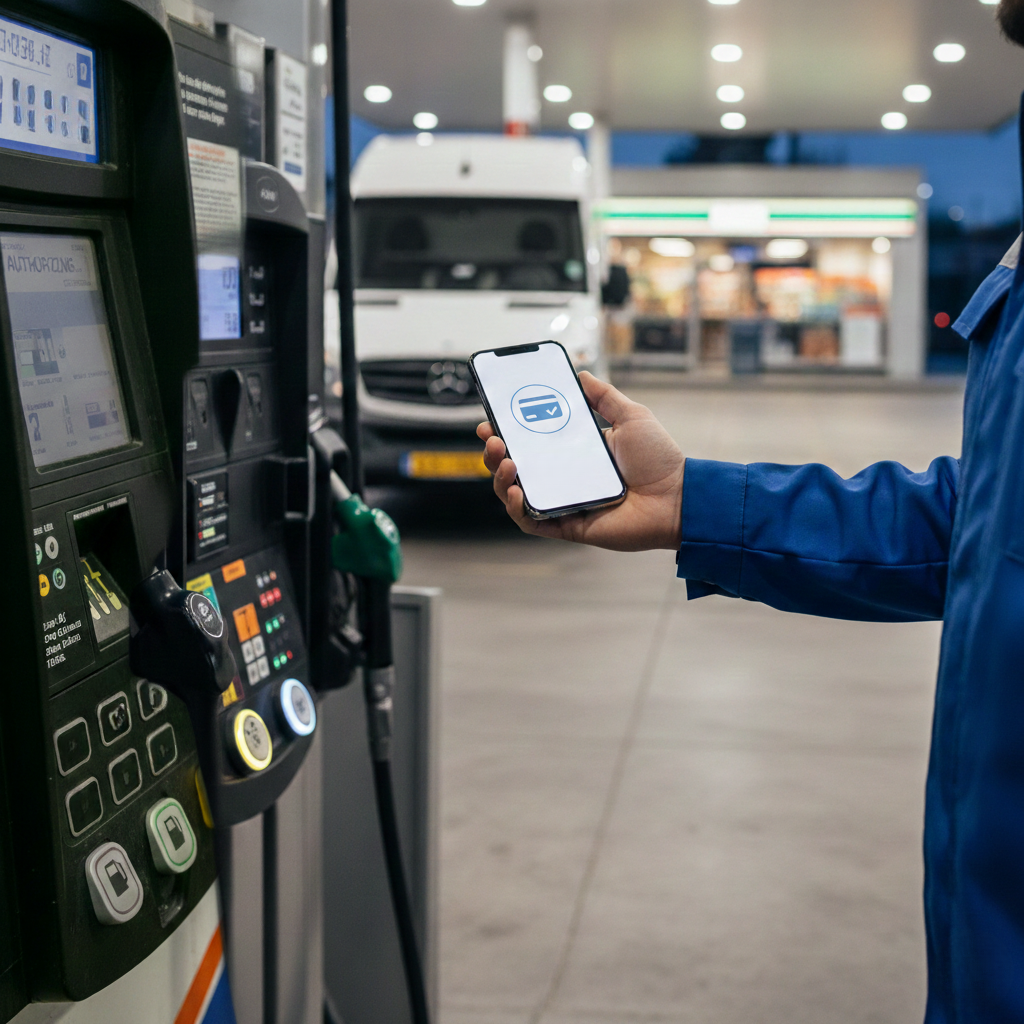
Your drivers already tap to pay in daily life. Contactless has become a mainstream payment behavior in Canada, and fleet programs that ignore this reality are swimming against the current. In 2024, almost two thirds of in-person payments in Canada were contactless, and contactless mobile payments have become more prominent across all age groups and demographics. The U.S. is moving the same direction: Visa reported that in fiscal 2025, Tap to Pay made up 66% of its U.S. face-to-face transactions - a strong signal that ‘tap’ is now generally expected.
This matters because adoption and compliance improve dramatically when a fleet process feels natural for the driver. If a fuel program relies on outdated workflows like inserting cards, entering PINs, or collecting paper receipts, drivers find workarounds. That's not because drivers are the problem, but because the system is fighting reality. When you force friction into a process that drivers experience as seamless everywhere else in their lives, you create the conditions for noncompliance.
The best fuel policy is the one that is easy to follow at the pump. The best controls are the ones that do not add friction to legitimate purchases while still blocking unauthorized activity. Mobile first improves experience while reducing admin burden and fraud exposure by eliminating shared plastic cards entirely. When fueling is as simple as tap to pay, drivers comply more consistently, and your team spends less time chasing receipts, disputes, and exceptions.
Trend 4: Integrating Fuel Data with Fleet Operations Becomes a Baseline Capability
Fuel spend data is useful. Fuel spend data connected to vehicle context is transformative. When you connect transaction data to location, vehicle information, and driver behavior, you can answer questions that were previously guesswork:
- Was the vehicle near the station at the time of purchase? Confirming the asset’s location at the moment of fueling to validate legitimacy and flag potential card misuse.
- Is this fueling pattern consistent with how the vehicle is being used? Checking timing, frequency, and volume against route/mileage/activity so anomalies stand out immediately.
- Are we seeing repeat exceptions tied to one vehicle, one region, or one shift? Spotting patterns and clustering so you can fix root causes (process, training, maintenance) instead of chasing one-offs.
- Is fuel spend aligned to productivity? Cost per job, per route, per mile, per hour, or per service call — not just “total fuel by driver.”
- Are we fueling at the right times for operations? Identifying patterns like end-of-shift “top-ups,” Monday-morning spikes, or weekend anomalies that signal process gaps, dispatch issues, or policy drift.
- Are we buying the right fuel for the asset? Catching misfueling risk (or premium fuel where it’s unnecessary) by linking vehicle requirements to transaction details.
- What’s the true cost of “savings” programs? Measuring whether a discount is being offset by extra mileage, deadhead time, or missed jobs — using route/activity context to quantify tradeoffs.
- Can we automate compliance and audit readiness? Turning fuel events into a clean, time-stamped record that supports internal audits, tax reporting workflows, and exception documentation without a monthly scramble.
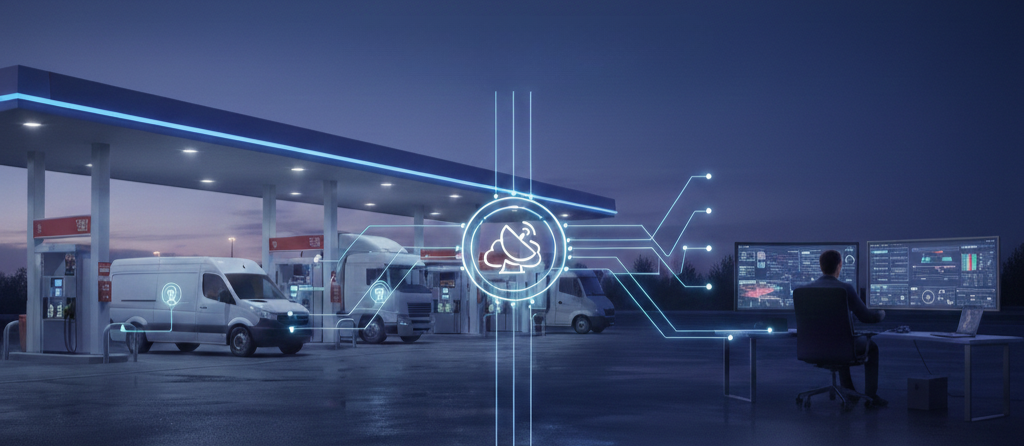
In 2026, fleets will increasingly expect fuel and telematics to work together as a practical way to reduce manual reconciliation and improve fraud resistance. According to Berg Insight, the number of active fleet management systems in North America reached 19.2 million units in 2024, with the market forecasted to grow at a compound annual growth rate of 11.6% to reach 33.2 million units by 2029. This growing installed base of connected vehicles creates tremendous opportunity for fuel card providers to deliver integrated solutions. Fleet managers will demand automated data flows that remove the need for manual rekeying and endless spreadsheet reconciliation. Exceptions will be investigated with context, not hunches, which means faster resolution and better decisions. The highest value insights will come from matching transactions to real world activity, creating a closed loop system where discrepancies surface automatically rather than months later during an audit.
Trend 5: Fuel Savings Have to Happen Without Detours
A discount that forces a detour can be a false economy. In real fleet operations, time on the road, route adherence, and driver productivity matter more than a few cents saved at the pump. A few cents off at the pump isn't a win. Fleet Managers are calculating total cost by factoring in time, mileage, and even the opportunity cost.
In 2026, I expect more fleets to focus on "savings that fit the route." That means pairing broad acceptance with a preferred network, and guiding drivers to better options nearby rather than forcing them into a single brand or sending them miles out of their way. The most durable savings are the ones drivers can follow every day without disrupting their route or adding stress to their day. Network based rebates work best when they are paired with guidance that shows drivers where to fuel without adding detours. Fuel strategy should support operations - flexibility and choice matter as much as discount depth.
Trend 6: Fleet Spend Expands Beyond Fuel, but Control Still Matters
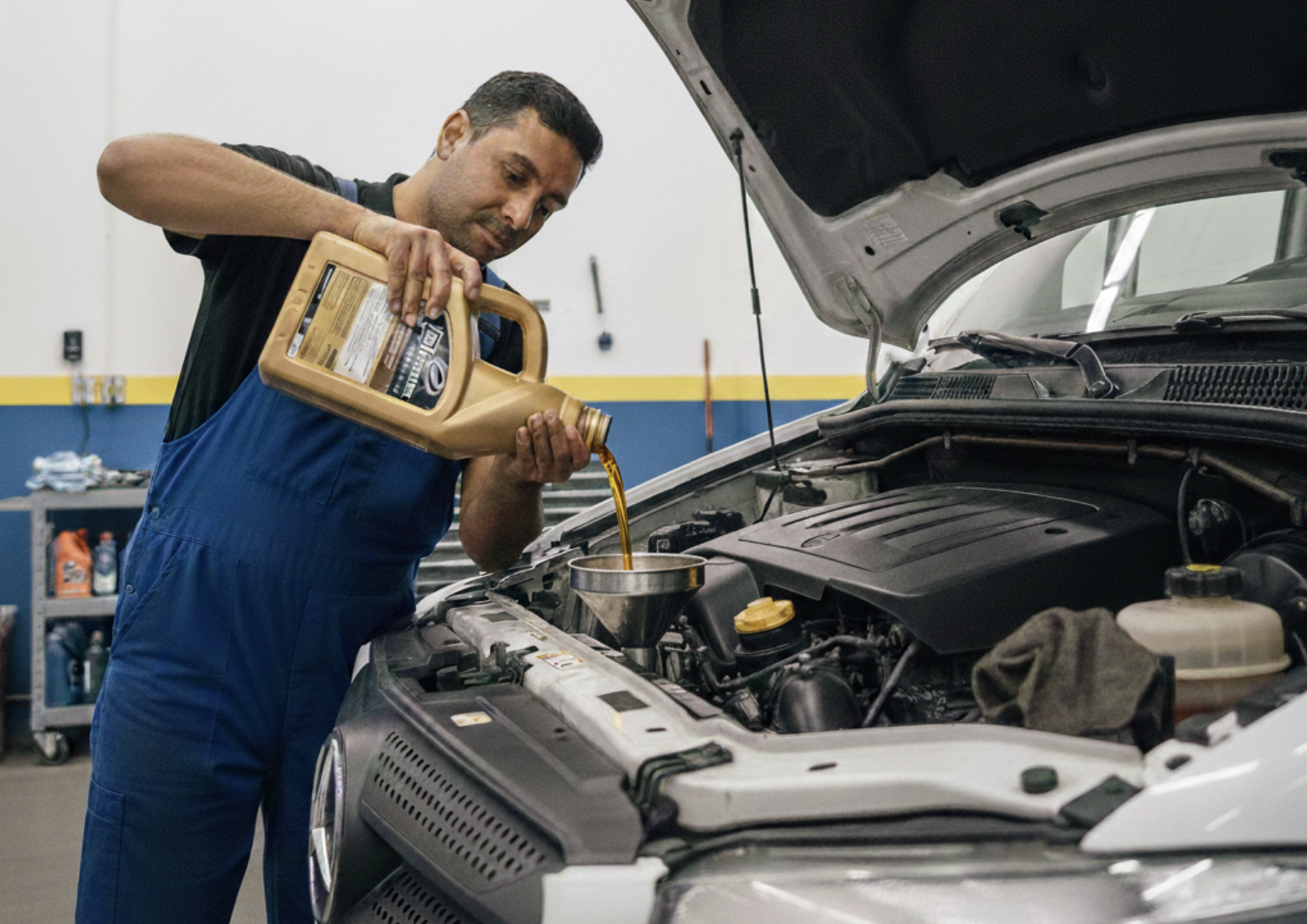
Fuel is not the only vehicle related cost that needs visibility. Many fleets also want better management of maintenance, parking, car washes, and for some fleets - EV charging. The challenge is that expanding categories can expand risk if you do not have strong controls in place. Without proper governance, expanding vehicle-related spending power can quickly lead to gaps in visibility and unpredictable monthly costs.
This is where modern digital card programs shine: you can allow the categories that matter and restrict the categories that do not, all through software controls rather than policy documents that drivers may or may not read. Fleets want fewer payment methods, but better governance across all of them. Finance teams want cleaner allocation and better documentation that flows automatically into their systems. The "one card" vision only works if policy enforcement is built in at the transaction level, not bolted on after the fact through manual reviews and reconciliation.
Why Digital Fuel Cards Are a Must Have in 2026
Let me be direct: in 2026, a fleet fuel program that relies on shared plastic cards, delayed visibility, and manual receipt chasing is not just inconvenient — it’s an expensive operating model. When you can’t see transactions quickly and credentials are easy to share, you’re effectively accepting three outcomes as “normal”: leakage you find too late to recover, admin time spent investigating after the fact, and higher exposure to misuse or fraud. The gap between what traditional fuel cards offer and what modern fleets actually need has become too wide to ignore. A modern digital fuel card program provides a foundation for what fleets need now, not what worked five years ago. Here is what that foundation looks like in practice:
Quick Visibility and Faster Decisions
You cannot manage what you cannot see, and you cannot act on what you learn too late. Digital programs enable faster insight into spend activity so you can catch exceptions early and act while it still matters. This is the difference between discovering a fraud pattern after thousands of dollars are gone versus catching it on the second suspicious transaction. Near real time visibility turns your fuel program from a reactive cost center into a proactive management tool.
Stronger Security at the Point of Purchase
Digital cards use modern authentication methods and can reduce exposure compared to traditional card credentials. Tokenization replaces sensitive payment details with tokens, which can reduce fraud risk significantly. When access is tied to a driver's device and secured with device level protections like biometric authentication, the security posture improves dramatically. A stolen phone with biometric locks is far more secure than a plastic card with a four digit PIN that gets written on a sticky note.
Policy Enforcement That Actually Scales
As fleets grow, policy enforcement becomes harder, not easier. Digital programs allow controls like spend limits, frequency rules, category restrictions, and the ability to turn access on or off instantly. These controls scale effortlessly from 10 vehicles to 1,000 vehicles without adding administrative burden. What used to require policy memos and monthly reviews now happens automatically at every transaction.
Better Data When Integrated with Fleet Systems
Fuel is not just a cost center. It's an operational signal that tells you how your fleet is actually being used. When fuel data connects with fleet operations systems, you can validate behavior, reduce manual work, and improve accountability across your entire operation. Integration means your fuel data flows into the same dashboards and reports you use for everything else, creating a single source of truth rather than multiple disconnected systems that never quite reconcile.
A Driver Experience That Encourages Compliance
Tap to pay is familiar, fast, and friction free. When compliance is easy, the fuel program performs better because drivers actually follow the rules. That is good for drivers who spend less time on administrative tasks, and good for the business that gets cleaner data and fewer exceptions. The best compliance programs are the ones that drivers do not even think about because they just work.

A Practical 2026 Checklist for Fleet Leaders
If you are planning your 2026 fuel strategy, here are a few questions I recommend asking now:
- Does every driver have their own unique fueling credential, or are cards shared?
- How quickly can we see and respond to suspicious transactions?
- Can we enforce policy through controls, or do we rely on after the fact review?
- Can we verify transactions with real operational context such as location and vehicle information?
- Are our savings programs compatible with real routes, or do they require detours?
- Are we still chasing paper receipts, or capturing documentation automatically?
If any of these answers feel uncomfortable, that's a signal. Not of failure, but of opportunity to modernize your approach before the gap becomes a crisis.
In 2026, the winning fuel programs will be the ones that combine broad acceptance, modern security, and real time visibility in a way that fits how fleets actually operate. These are not nice to have features anymore. They are the baseline for competitive fleet operations. Digital fuel cards are not a future upgrade or a pilot project to try someday. They are the foundation fleets need now to control costs, reduce risk, and operate efficiently in an increasingly complex environment.
See how Fillip's digital fuel cards deliver the control, security, and visibility your business needs in 2026. Talk to an expert or learn more about our platform.
%20(2).png)