Fuel prices are unlikely to decline over the next 12 months, and that has direct consequences for vehicle fleet operators. In a high price environment, the same fuel fraud rate translates into significantly larger dollar losses, making digital fleet cards with multifactor authentication one of the highest-leverage investments a fleet manager can make in 2026.
Key takeaways from the interview with Andrea Decore
- Fuel prices are unlikely to materially decline before 2027.
- Price increases have a compounding effect on fuel fraud – the dollar value of the fraud grows and the instances increase.
- Digital fleet cards with multifactor authentication are the fastest way to take that risk off the table.
When will fuel prices come back down?
Honestly? Not soon. I think the US has overplayed their hand when it comes to Iran. The war has woken Iran up to the fact that it has a massive global negotiating lever in the Strait of Hormuz, through which 20% of global crude oil supply transits. And, despite US bombing attacks and ongoing brinksmanship, the regime in Tehran is still standing, likely more defiant than ever.
A peace deal between the US and Iran is still possible, but my view is that with continued instability in the region and a new indifference to international rules of law by global superpowers, there are likely to be ongoing flare-ups affecting global oil and refined products prices for the foreseeable future. At the pump, prices will keep climbing in the near term as retailers pass through their higher wholesale costs.
How are higher fuel prices affecting fleet fuel management?
Current macroeconomic uncertainty is already filtering down to the ground level. Early data suggests many fleets are reducing fuel consumption on a per-fleet basis. To me, that’s the first signal that fleet owners are making operational changes like route optimization, vehicle idle time reduction, driving behaviour improvement, and the implementation of vehicle maintenance best practices.
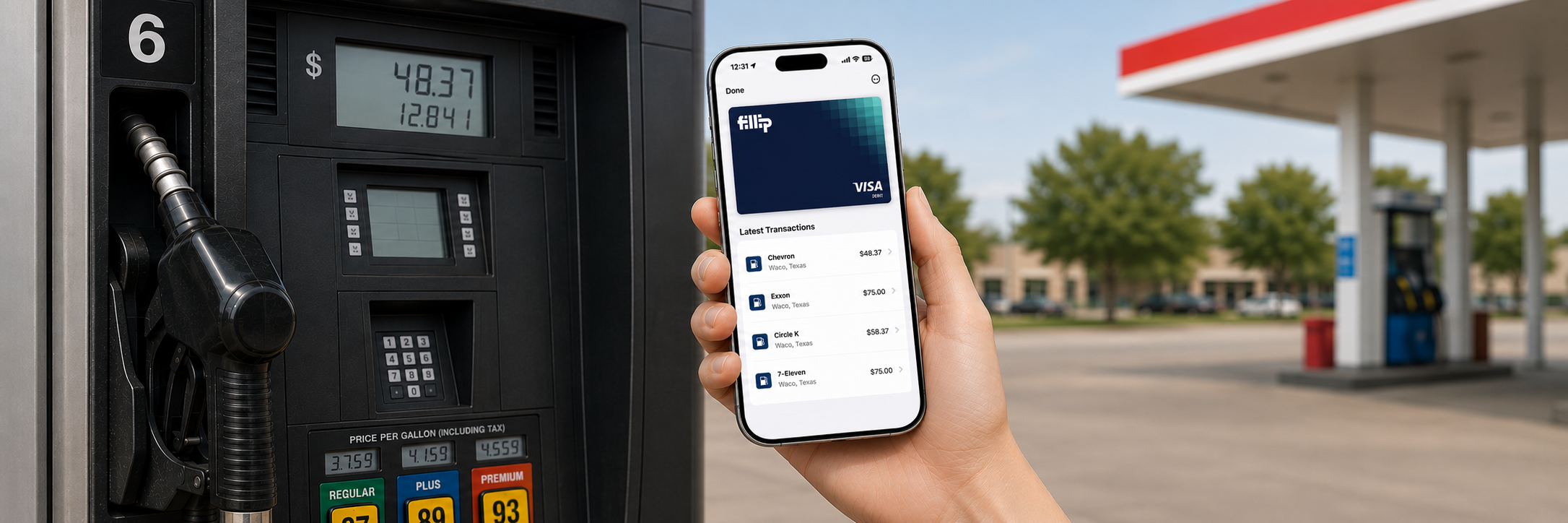
The other change I see is that demand is now accelerating for digital fleet cards that use multifactor authentication to reduce fraud on the front end of transactions. My sense is that in this high fuel price environment, most fleet operators and all traditional fleet card providers are feeling the effects of fraud.
How much does fuel fraud actually cost a fleet?
Across the industry, 2 to 5% of fuel spend is typically lost to misuse or fraud. In some cases, it reaches 5 to 10% – and that’s the baseline. Most fleets don’t realize how much they’re losing until fuel prices spike and that “small” percentage becomes a very real number. With dramatically rising prices, the impact of fuel fraud is about to get much worse.
A fleet spending $250,000 a year on fuel loses $12,500 at a 5% fraud rate. With today’s prices 30 to 40% higher, that same 5% behaviour now costs $16,250 to $17,500. Nothing changed operationally – the dollar impact just jumped by thousands.
That dollar cost assumes fraud stays flat, which is unlikely. Inflation doesn’t just raise costs, it also changes behaviour. Employees feel more financial pressure, small misuse becomes easier to rationalize, and higher transaction values increase temptation. Both the incentive and the financial impact increase. At a 10% fraud level, you are losing $32,500 to $35,000 annually – on top of the fact that your total fuel costs are already significantly higher.
What should fleet operators do about it?
The most effective response is to combine operational discipline, such as the route, idle, and maintenance changes mentioned above, with a move to digital fleet cards that authenticate transactions at the point of sale. Multifactor authentication built into the payment process helps stop the most common fraud vectors before transactions are approved, rather than catching them weeks later in an expense audit.
Perhaps the only positive by-product of the current situation is that it is rewarding efficiency and economy in fleet operations and acting as a catalyst for the adoption of advanced digital payment and fraud reduction technology, all of which will serve vehicle fleet operators well in the long term, well after the current price cycle passes.
About the author
Andrea Decore is Head of Supply & In-House Counsel at Fillip, Canada’s digital fleet fuel card built on the Visa network. She works directly with retail fuel suppliers, network partners, and fleet operators across North America, and writes regularly on fuel market dynamics, fleet card fraud, and the economics of fleet fuel management.
%20(2).png)