Why Fast Fuel Transaction Visibility Matters for Fleet Fuel Fraud Prevention
Fuel fraud rarely starts with an obvious charge. More often, it starts small. A card gets skimmed at a pump. A purchase happens outside normal work hours. Fuel goes into a personal vehicle. On its own, one odd transaction may not look like much. The real cost shows up when nobody sees it soon enough.
That is the problem with delayed visibility. If a business owner or fleet manager reviews activity after statements arrive, fraud and misuse have time to spread. By the time someone flags the issue, the money is already gone, the investigation is harder, the loss compounds, and is rarely limited to a single transaction.
Fuel is among the largest operating costs for fleet based businesses in North America, accounting for 20-30% of total operating costs. What’s more, fleets report 5-6% of fuel costs are linked to internal fuel theft and fraud. Reducing the delay between fraud reporting and transactions helps businesses spot suspicious charges sooner and protect margins in a volatile market.
The Statement Cycle Problem
Fraud moves faster than most statement cycles. A driver can fuel up in the morning, and the charge may not get reviewed until the end of the week or month. That gap between purchase and response gives suspicious activity time to continue. A skimmed card can be used again. A shared card can keep circulating. A pattern of subtle, yet fraudulent purchases, can continue without being detected.
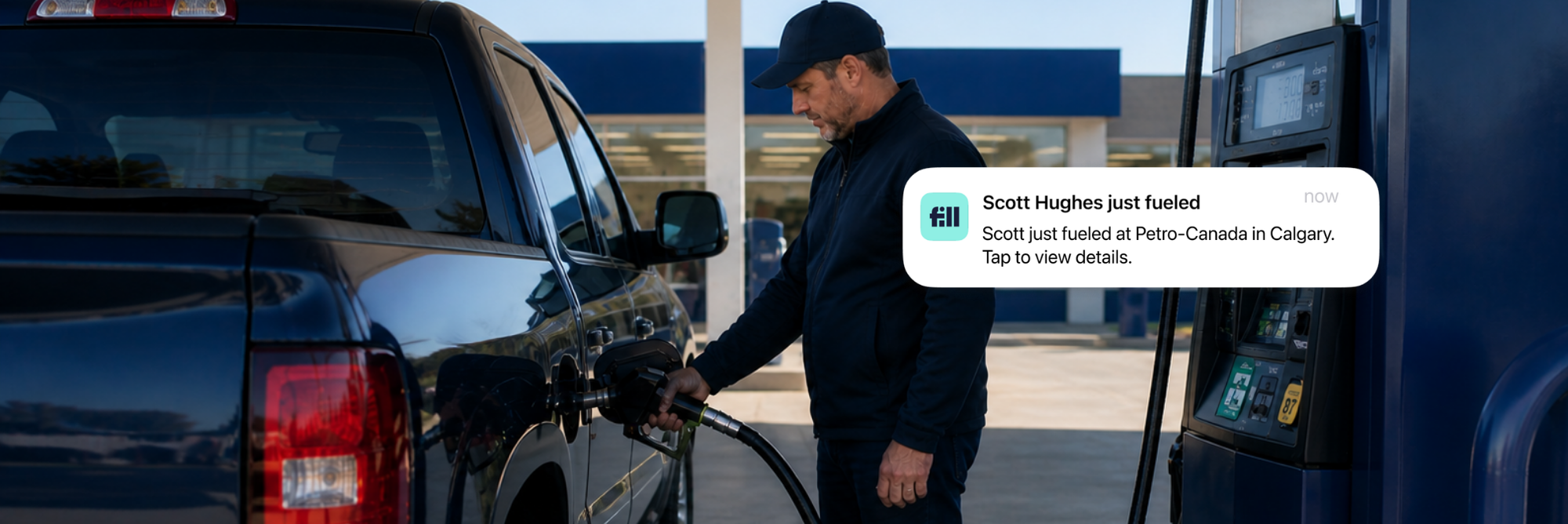
Digital fuel payment solutions, like Fillip, give fleet managers immediate access to fuel card spending data, and the capacity to review purchases as they happen. No need to wait for a bill to cross their desk before they can flag something unusual. They can review the transaction the same day of payment, contact the driver, pause the card, or tighten controls before more suspicious spending continues.
Context Matters
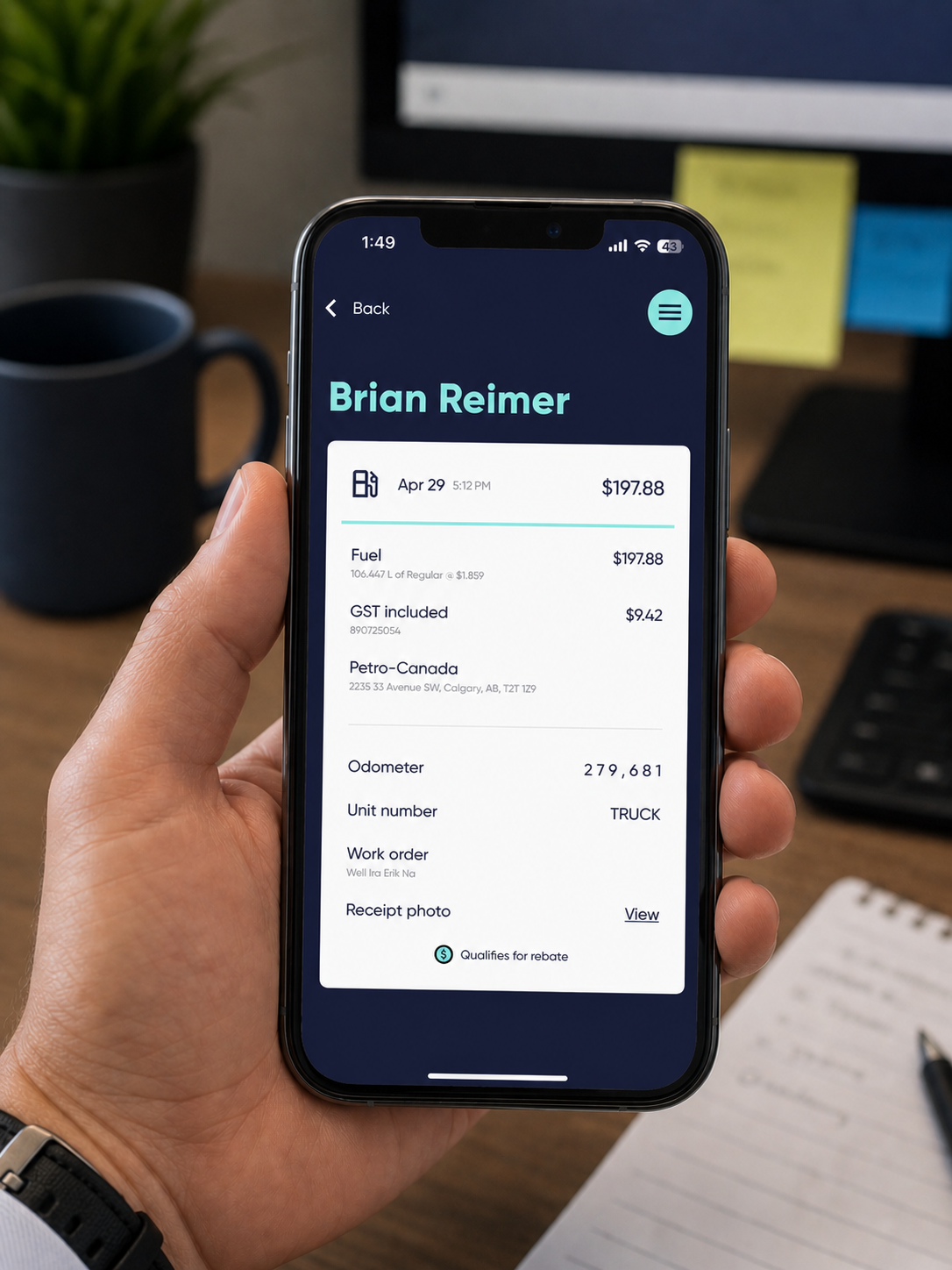
To catch misuse early, managers need the details behind the transaction: when it happened, where it happened, how much was spent, which driver used the card, which vehicle the purchase was tied to, and whether the activity fits normal operating patterns. Without that context, suspicious purchases are easier to miss.
Fillip’s fuel payment solution offers real time data insights into fuel and vehicle expenses, fraud detection and alerts, digital receipts, and fuel card management. Those capabilities mean fleets gain a clearer view of what is happening now, not just what happened last billing cycle. Instant visibility helps a manager distinguish between a routine stop and a purchase that deserves a closer look.
The Most Common Habit is Often the Hardest to Catch
While some fraudulent charges may be blatantly obvious, others come from routine misuse that blends into everyday fleet activity. A driver fills a personal vehicle with the company card. Someone buys items other than fuel, which were never approved. A transaction happens outside the driver’s normal route or shift, but no one notices because the amount itself is modest.
These losses compound in the dark, as management may not notice a pattern of small off policy purchases until the month is over. By then, the total loss is bigger, the details are muddier, and the conversation with the driver is even more difficult.
Features like custom limits, suspicious activity notifications, and product level purchase controls can help businesses catch those patterns faster and stop some of them before they go through.
Fuel Transaction Visibility + Controls = The Winning Combo
A fleet fuel management program works best when the spending limits are clear and controlled; Management can decide who can spend, what they can buy, how often they can buy it, and when those purchases should happen. That might mean limiting transactions to fuel only, capping daily spend, restricting purchase frequency, or narrowing usage to certain working hours.
These controls are especially useful for smaller businesses because they reduce the amount of manual checking required. When the program is already enforcing the rules, managers don’t need to review every transaction with the same level of scrutiny.
Smart spend controls let businesses set the products and purchase frequency allowed for their team, while fleet manager tools support customizable limits on who can spend what and how often. This strengthens fraud prevention and reinforces policy in a practical way.
Telematics Data Offers Accountability in Real Time
One of the biggest challenges in fuel fraud prevention is proving whether the right vehicle was at the pump when the fuel card was charged. If a fleet fuel card can be used without a strong link to the assigned vehicle, it’s easier to fuel a second vehicle, a personal vehicle, or a container.
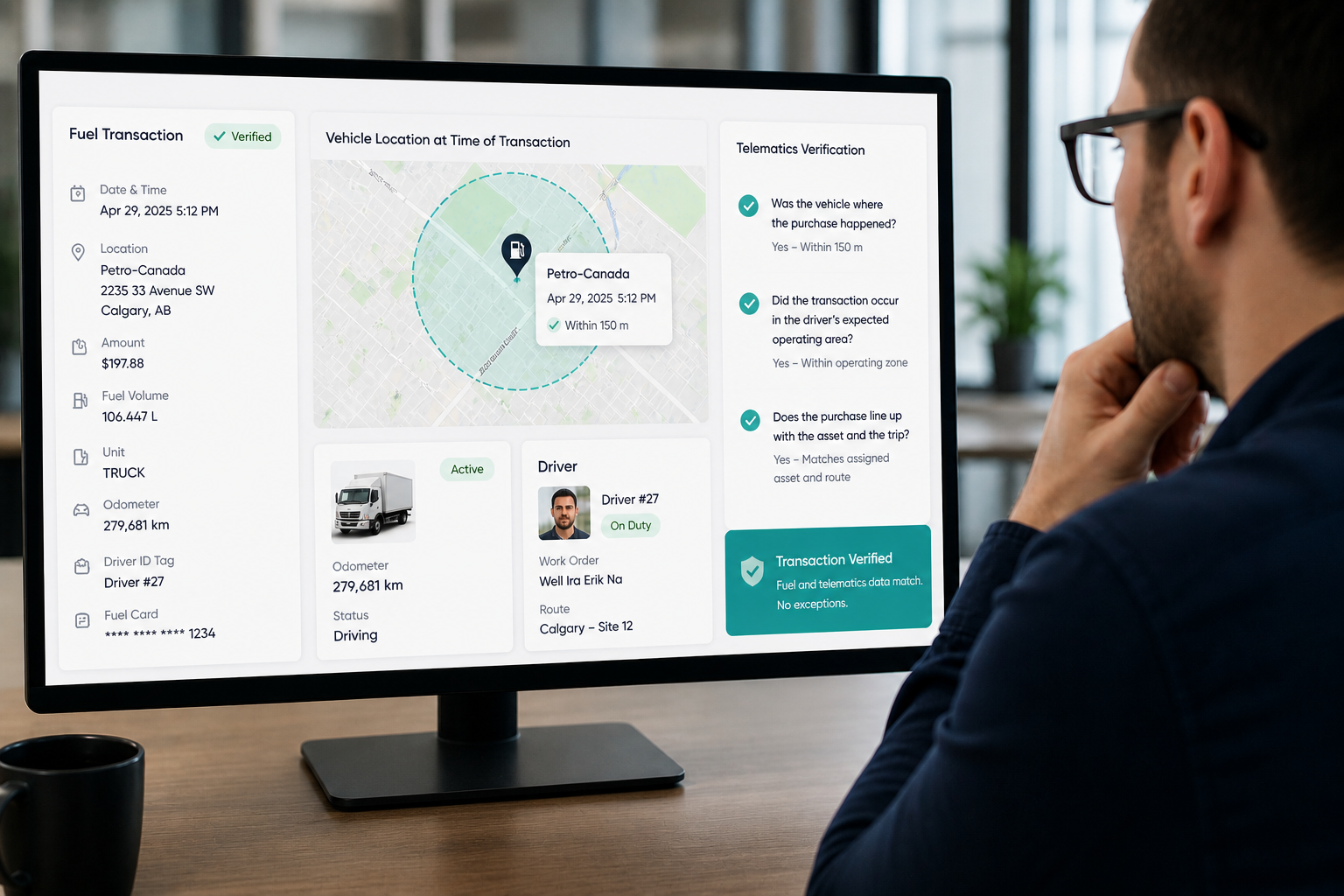
Telematics integrations compare vehicle and transaction data to verify vehicle location during a transaction. It also promotes vehicle ID tags that drivers tap to authorize payment, helping confirm the right vehicle is present at the pump. That kind of verification adds another layer of confidence for fleet managers, as it becomes harder to misuse a card when the transaction must line up with the assigned asset.
Fuel data is more valuable when it is checked against what the vehicle was doing.
· Was the vehicle where the purchase happened?
· Did the transaction occur in the driver’s expected operating area?
· Does the purchase line up with the asset and the trip?
When fuel and telematics data work together, management can validate activity while it is recent enough to act on. Telematics integrations combine fuel expenses, vehicle performance, and driver behavior in one view, while also using vehicle and transaction data to verify location during a purchase.
Instant Data Visibility Linked to Smarter Fuel Management, and Happier Accounting Teams
When managers can see fuel purchases immediately, they can also make better decisions about spending before the month is over. They can spot unusual consumption, review route patterns, question repeated exceptions, and keep a closer eye on cash flow. They can also spend less time chasing receipts and cleaning up fuel records after the fact.
Accounting-focused solutions include instant tracking of fuel and vehicle expenses as they happen, along with digital receipt capture to simplify recordkeeping. This keeps lean back office teams happy, as they can streamline accounting workflow and enhance oversight at the same time.
It helps managers catch suspicious activity sooner, enforce policy more consistently, confirm that the right vehicle is at the pump, and spend less time dealing with issues after the damage is done.
Fillip is built around that kind of control, with digital cards, suspicious activity alerts, spend controls, mobile management, digital receipts, and telematics data transaction checks. For fleets seeking more oversight without adding administrative burden, Fillip can make fuel management more secure, more accurate, and much easier to stay ahead of.
Discover Smarter Fuel Management Solutions
Fillip helps businesses monitor fuel purchases faster, tighten spend controls, and reduce fuel fraud with better visibility across every transaction. Contact us to experience Fillip’s smarter fuel payment solutions for yourself.
%20(2).png)